




How to help your child with
developmental delay
All children develop in their own way, and their development is shaped by the relationships, experiences and environments around them. Sometimes parents notice things about their child that raise questions, for example how their child is communicating, moving, playing or engaging with others.
If you are feeling worried or unsure about your child’s development, you are not alone. Having a concern does not mean that something is wrong. It simply means you are paying close attention to your child. You don’t need to work this out on your own.
Plumtree is here to support you.
Below are some ways we can start working alongside your family right away.
Starting from what you’re noticing
You know your child and what is usual for them. Paying attention to what you’re noticing is often a helpful place to start. It can also be useful to talk things through with others who can help you make sense of what you’re seeing.
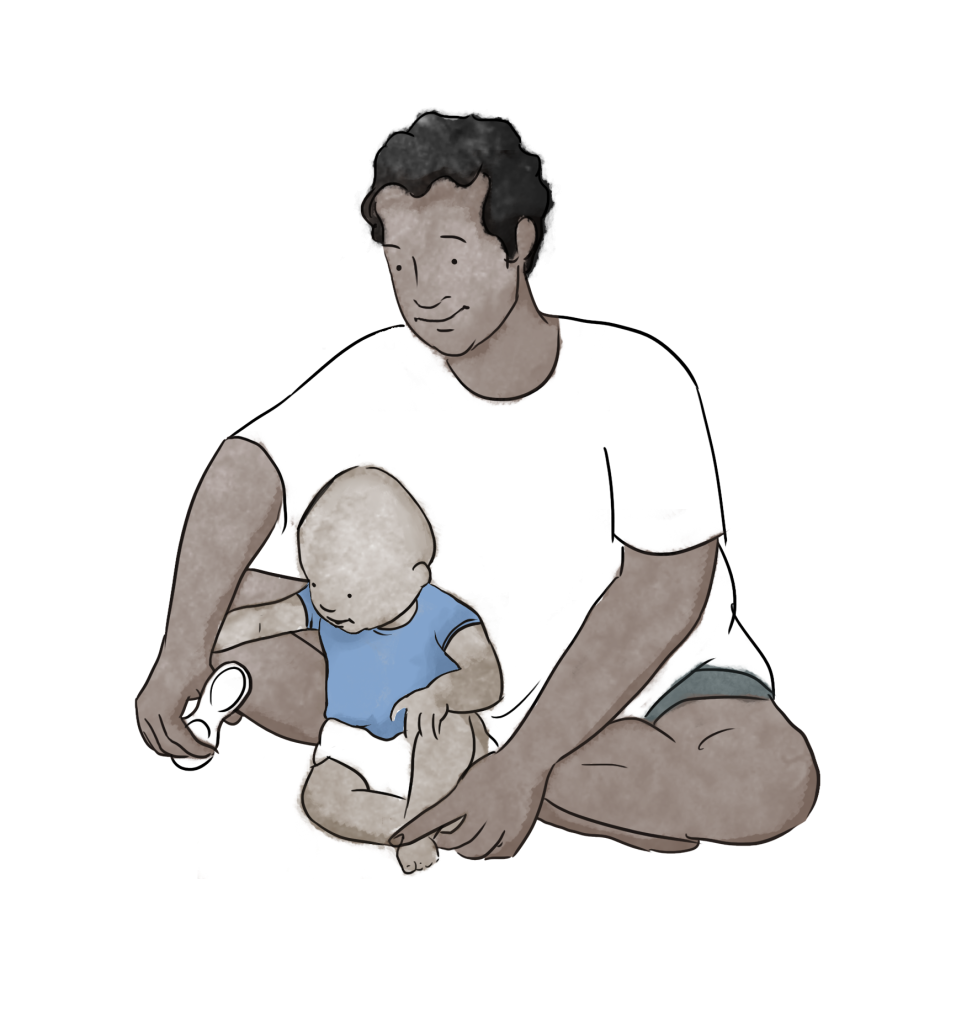
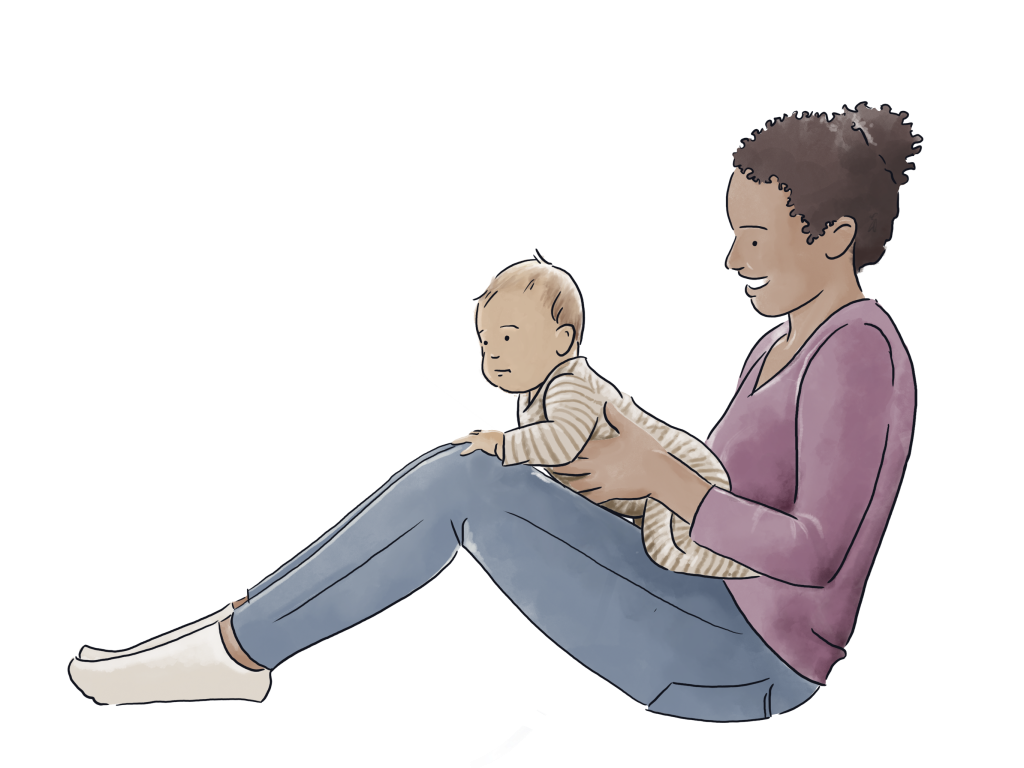
You might be noticing that your child:
- is using only a few words, sounds or gestures to communicate right now
- is still developing skills like standing, cruising or walking
- plays, communicates or behaves in ways that were different from what you expected
There is no single “right” first step. What matters is starting the conversation.
Where to start
Some families find it helpful to look at general information about how children grow and develop.
Your child’s Blue Book can be a good starting point, especially the pages for your child’s age.
You could also look at trusted websites such as:
These can help you understand general understanding about children’s development, but they won’t give a full picture of your child. If you are unsure or still have questions, it can really help to talk with someone.
Who can I talk to?
You don’t have to figure this out on your own. There are people and services who can listen to your concerns and work with you to understand your child and what might help.
Playgroups
Playgroups can be a great place to start. As well as giving your child opportunities to play and connect with others, they can also give you time to talk with other parents. In some playgroups, trained staff are available to listen and support you.
Find out more about Plumtree Playgroups

Parent peer groups
Parent peer groups are another way to connect with other parents who may be having similar experiences. These groups are often parent-led and can be a place to share, ask questions, and learn from each other.
Learn more about Plumtree’s parent‑led programs like:
– Now & Next
– MyTime
Other parent-led organisations inlude:
- Belongside Families (formally known as Kindred): an uplifting, supportive and educational space for parents and carers of children with developmental delay and disability. It is a community made by families, for families.
- Reframing Autism: an autistic‑led organisation that reframes understandings of autism through education, resources and research, grounded in lived experience.
Preschool or childcare
If your child attends preschool, daycare or another early childhood education and care setting, educators can share what they are noticing about your child’s learning, play and participation.
Busy drop‑off and pick‑up times can make conversations hard, so you might like to ask for a time to talk when there is more space to ask questions and share observations.
Find out more about Plumtree Preschool

Your GP
Your GP can talk through your concerns and help you think about possible next steps. You can ask for a longer appointment if needed.
Some parents find it helpful to make a short list of things they want to talk about beforehand, so they don’t forget what is important to them.

Child and Family Health Services
You can contact your local Child and Family Health Centre.
They will ask about your concerns so they can understand what kind of support or service might be helpful for you and your family.

Information and phone lines
If you need support or simply want to talk things through Parenting helplines can also be helpful, including:
- Karitane Careline on 1300 227 464
- Parent Line NSW on 1300 1300 52
- Pregnancy Birth and Baby on 1800 882 436
- Tresillian Parents Help Line on 1300 272 736
You can explain that you have some concerns about your child’s development and would like someone to talk with.
Additionally, the links below connect you with trusted services across NSW and Australia that can offer guidance, practical support and connection for your family.
Start here:
- Guide to the early childhood approach | NDIS – The NDIS Early Childhood Approach supports young children with developmental delay or disability to access early help.
- What is an early childhood partner | NDIS – An NDIS Early Childhood Partner can work with you to understand your child’s needs and connect you to the right supports.
- Community and Family Support (CAFS) Program | NSW Government – Free services that connect families with support, information and community when things feel challenging.
Other useful support:
- Aboriginal Child and Family Centres | Communities and Justice -Culturally safe support services for Aboriginal children and families in the early years.
- Finding early childhood education and care after having a baby | NSW Government – Information to help you choose an early childhood education and care service for your child.
- Disability Advocacy Futures Program | Communities and Justice – Free disability advocacy services that support people with disability to have their voices heard and their rights upheld.
- Homepage | Carer Gateway – Support, advice and services for carers to help you look after your wellbeing while caring for someone.
Having a closer look at your child’s development
Your GP or Child and Family Health Service may suggest talking with someone who can spend more time understanding what your child enjoys, what they can do, and what is more difficult right now.
This might involve a specialist children’s doctor (pediatrician) or an assessment team. These professionals work best when they learn from you about your child and share their knowledge with you, so you can build a clearer picture together.
You are not alone
If you are worried about your child’s development, reaching out is okay. Starting a conversation can help you make sense of what you’re seeing and explore what kinds of support might be useful for your child and family.
How Plumtree can help
At Plumtree, we work alongside families to understand their child and what might help.
This might include:
- Talking through your concerns
- Helping you make sense of what you’re noticing
- Supporting your child’s development in everyday life
- Connecting you with the right supports if needed

Talk to us about your child
If you have any questions about us or want to find out more about starting at Plumtree,
please get in touch.