



Thriving Kids is here
Children grow and learn through the people and communities around them. Thriving Kids aims to make it easier for families to find information, support and connections when questions arise.
Across Australia, there are now four initiatives that form part of Thriving Kids: the Thriving Kids website, the Resources Hub, the Medicare Healthy Kids Check and the Autism Helpline.
Together, they provide information, advice and support to help children grow, learn and thrive, making it easier for families to find help when they need it.
What can families do now
If you have questions about your child’s development or about these upcoming changes, there are trusted places where you can find information and support now. You do not need to wait until 2028 to seek advice or ask questions. You can:
- Talk with your GP, child and family health nurse or other health professional.
- Ask about the Medicare Healthy Kids Check if your child is 3 years old.
- Speak with your child’s early learning service, preschool or school.
- Access information from trusted government and family organisations.
- Contact Plumtree to learn about supports, programs and services available now.

What is Thriving Kids?
Thriving Kids is a new national approach to strengthening supports for young children with developmental delay, disability or autism and their families.
The approach recognises that children develop in different ways and aims to provide earlier, more accessible supports that help children grow, learn and participate in everyday life. It also focuses on strengthening the supports around children, including families, educators, health professionals and community services.
According to the Australian Government Department of Health, Disability and Ageing, the Thriving Kids program aims to:
- Provide earlier access to support
- Make it easier to get help without needing a diagnosis
- Strengthen supports in everyday settings such as early learning, schools and community
- Better connect health, education and disability supports
- Create a more joined-up early childhood system so that families get the right support from the right people.
Children grow and learn through their relationships with family members, educators and other people in their lives, and through the places where they spend their time. Thriving Kids aims to strengthen the supports around children and families so they can access help earlier and in ways that fit into everyday life.
Across Australia, work is underway to make it easier for children and families to access support early and in everyday places such as home, early learning and community settings. The goal is to help children and families find the right support at the right time, in the places where children live, learn and play.
Many families are asking what these changes may mean for their child and their current supports. This page brings together information from government and trusted sources, along with what we are hearing from families and the community.
Recent changes to the NDIS have confirmed that from 1 January 2028, Thriving Kids will support many children aged 8 and under with developmental delay and/or autism who have low to moderate support needs. Children with permanent and significant disability, including children with substantially reduced functional capacity and high support needs, will continue to be eligible for the NDIS.
There are no changes to how children access the NDIS before 1 January 2028. Many details about how Thriving Kids will work are still being developed by the Australian Government together with states and territories.
We will continue updating this page as more information becomes available.
A gradual transition
Thriving Kids is being developed and introduced gradually. Changes to NDIS eligibility for children aged 8 and under will not begin until 1 January 2028.
Until then, children and families can continue to apply for and access the NDIS under the current eligibility arrangements.
More information will be provided to families before these changes take place.
How Thriving Kids is being designed
The future Thriving Kids model is expected to bring together different types of support so children and families can access help in ways that are timely and appropriate. Thriving Kids is expected to include both broad supports available to many families, such as information, advice and parenting supports, as well as more targeted supports for children and families who may need additional assistance.
Supports are expected to include:
- Early support available without always needing a formal diagnosis
- Services in everyday settings such as early learning and community environments
- Stronger connections between services so families do not have to navigate systems alone
- A mix of community-based supports and more individualised supports where needed
- Family and peer support approaches
From 1 January 2028, children aged 8 and under with developmental delay and/or autism and low to moderate support needs will be supported through Thriving Kids rather than the NDIS.
Children with permanent and significant disability, including children aged 8 and under with developmental delay and/or autism who have substantially reduced functional capacity and high support needs, will continue to be able to access the NDIS if they meet the eligibility criteria.
Governments are still working on the detailed design of Thriving Kids, including eligibility, pathways and how families will find and access support. We will update this page as these details are confirmed.
What if my child is already in the NDIS?
If your child is already an NDIS participant, the new eligibility arrangements do not begin immediately.
Children aged 8 and under who are accessing the NDIS before 1 January 2028 will continue to be reassessed using the eligibility criteria that apply before that date.
Once they turn 9, they will be reassessed under the new eligibility framework based on functional capacity.
The Australian Government has said that participants will receive information before changes or reassessments take place.
For now, families can continue with their child’s current supports and contact their usual NDIS or service contacts if they have questions about their individual circumstances.
What does “functional capacity” mean?
From 1 January 2028, NDIS eligibility will focus more on how a person’s disability affects their day-to-day life. New applicants will go through a standardised assessment of functional capacity as part of determining eligibility.
The detailed assessment approach is still being developed, with advice from a Technical Advisory Group.
You can read more about these changes on our NDIS page.
What families are asking
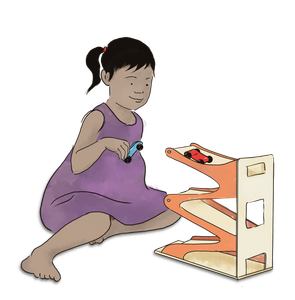
Families across Australia are seeking clear and practical information about how the new approach will work.
Common questions include:
- Is anything changing now?
No. There are no changes to how children access the NDIS before 1 January 2028. - What if my child already has an NDIS plan?
Different transition arrangements apply to children already accessing the NDIS before 1 January 2028. Read more above. - Will my child need a diagnosis to access Thriving Kids?
Thriving Kids is being designed so that children can access support based on their developmental needs, without always needing a diagnosis. Families are encouraged to seek information and support when questions first arise rather than waiting for a formal diagnosis. - What is the Medicare Healthy Kids Check?
From November 2026, families with a 3-year-old child can access a Medicare-funded Healthy Kids Check through their GP. The Healthy Kids Check is designed to support conversations about a child’s health, development and wellbeing and help families connect with support if needed. The Healthy Kids Check is one of the first services being introduced as part of the broader Thriving Kids approach. It aims to make it easier to identify concerns early and connect families with information, advice and support. - Exactly what support will Thriving Kids provide in NSW?
Some details are still being developed. We will update this page as information is confirmed.
Information from organisations such as Belongside Families and Children and Young People with Disability Australia shows that many families feel both hopeful about earlier support and are keen for more clarity about how the model will work in daily life.
It is understandable that families want clear information about what will change, when it will happen and what it means for their child.
Supports available now
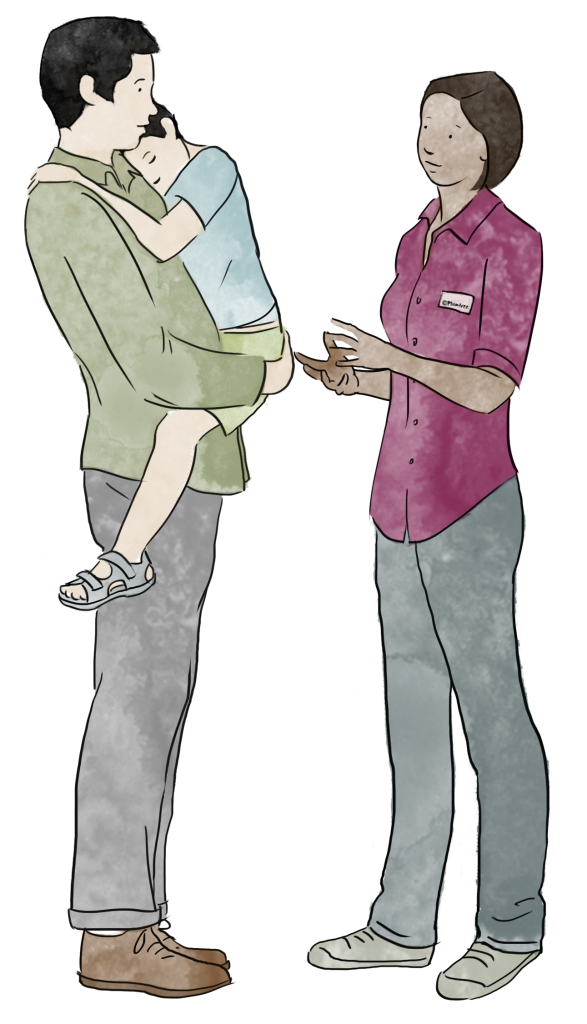
Many of the things Thriving Kids aims to strengthen are already happening in homes, communities, playgroups, early learning settings and through relationships between families and professionals. These Plumtree programs help build those connections and opportunities for children to learn, participate and belong.
These include supports that:
- Strengthen children’s development and participation
- Build family confidence and connection
- Are held in everyday community settings
- Include peer support and practical guidance
These include:
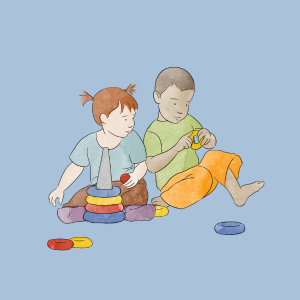
Supported and community playgroups
Welcoming spaces where children and families can connect, learn and participate together.
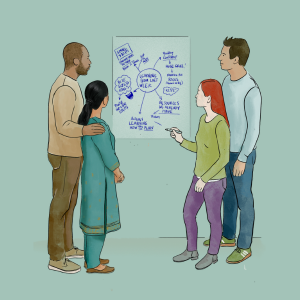
Now & Next program
A peer-led program by families for families to build confidence, set goals and strengthen their child’s participation and wellbeing.

Learning Together calendar
Workshops, courses and groups focused on child development, family wellbeing and connection.

Early childhood supports and partnerships with educators
Working alongside families and early learning settings to support children’s development and participation in everyday environments
These supports continue to be available and reflect the shared goal of helping children thrive within their families and communities.
If you would like to learn more about any of these supports, our team is always happy to help.
During this time of change
Continue with the supports that are working for your child and family. If you have questions, stay connected with trusted services and look for information from reliable government sources.
We will continue to share updates as more details about Thriving Kids and the NDIS changes become available.
Stay informed
Information about Thriving Kids is continuing to develop. These links can help you find current information from government, disability and family organisations, and Plumtree.
Australian Government information
- Thriving Kids | Australian Government Department of Health, Disability and Ageing
Current information about Thriving Kids, including how the program is being developed and the supports it is expected to provide. - Changes to the NDIS | Australian Government Department of Health, Disability and Ageing
Information about changes to NDIS eligibility, timeframes and what the changes mean for current and future participants. - Thriving Kids | NDIS
Information from the NDIS about Thriving Kids and changes for children aged 8 and under. - Medicare Healthy Kids Check
The new Medicare-funded Healthy Kids Check for 3-year-old children, including information about eligibility, what the check covers and how it supports early identification of developmental, health and wellbeing needs
Family and disability perspectives
- Thriving Kids | Children and Young People with Disability Australia (CYDA)
Information about the questions and concerns raised by children, young people and families about the design and implementation of Thriving Kids. - What families need to know about Thriving Kids | Belongside Families
A family-focused explanation of what has been announced and what families need to know.
More from Plumtree
- Thriving Kids: making sense of what’s ahead
Read Plumtree’s perspective on the changes, what families are asking and what families can do now. - Trusted external resources
Explore reliable information about child development, developmental delay, early childhood intervention, autism and other topics that may be useful for your family.
We will continue sharing updates through our website, newsletter and information sessions as further details become available.
If you have questions about your child’s development, current supports or what these changes may mean for your family, you are welcome to contact our team.
Having questions during a period of change is completely understandable. We are committed to sharing clear information and helping families find the support they need.
Get in touch
Have a question or want to learn more about getting started with Plumtree?
We’d love to hear from you.